Lydia's Story
How one carer’s journey to becoming an Abney and Baker Carer and an EverFit Coach is reshaping the way we approach ageing and independence.
For many carers, the role is more than just a job – it’s a calling. It’s about building relationships, showing up during difficult moments, and doing everything possible to help someone feel supported and safe.
With the growing aging population, there is an increased need for tailored preventative care strategies to address the unique health challenges and opportunities faced by older adults.
That was certainly true for _**Lydia**_, a former full-time carer and now a Deputy Community Support Manager and EverFit Coach. But even with all her dedication, something always felt slightly out of reach.
_“I really wish I could have done more to help my clients stay independent,”_ Lydia reflects. _“We didn’t have EverFit back then, so I didn’t fully understand just how powerful movement and exercise is as we age.”_
From reaction to prevention: A shift in perspective
The reality of traditional care work is that it often starts after decline has already set in – when a client has lost mobility, confidence, or the ability to manage daily tasks without support. While carers like Lydia offer vital, compassionate care during these times, there’s growing recognition that preventative care for older adults needs to be part of the solution. Addressing the challenges and opportunities in providing preventive care for the aging population is essential to improve health outcomes, support chronic disease management, and reduce disparities among older patients.
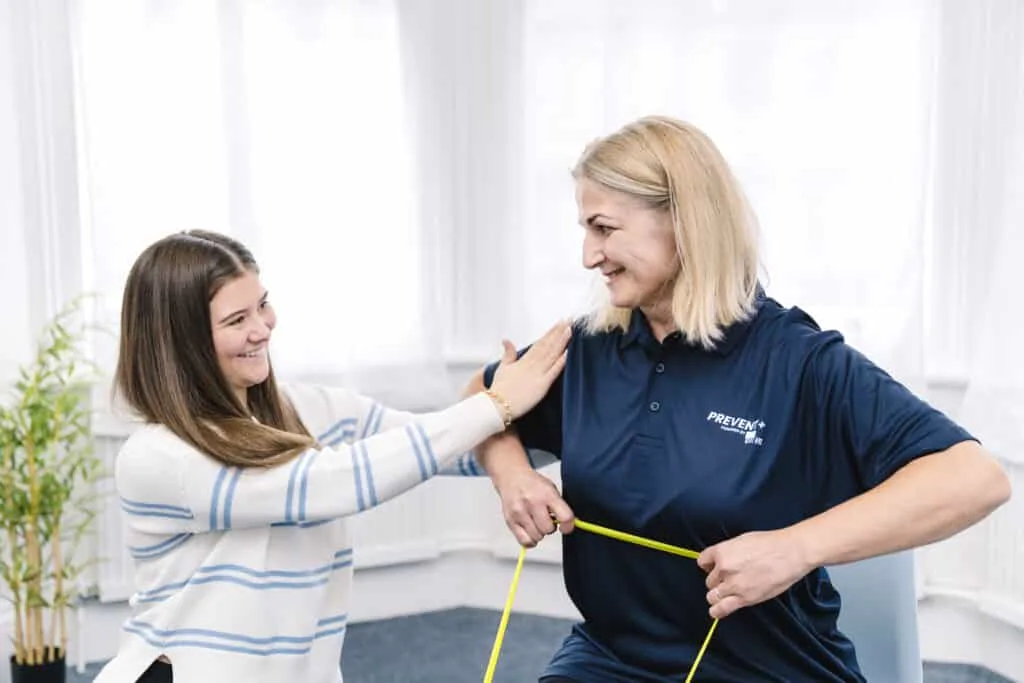
That’s exactly what Lydia discovered when she was given the opportunity to join EverFit – a movement-based programme focused on maintaining strength, balance, and independence for older adults.
> “I was given the opportunity to join EverFit, and it was something I simply couldn’t turn down. The values resonated so strongly with me, and I knew immediately it was something I wanted to be part of.” > > > Lydia Tweet
Her own personal experience recovering from a sports injury – a broken leg that took months of rehabilitation – gave her first-hand insight into how frustrating it can feel to lose independence, even temporarily. It deepened her empathy and fired up her drive to do more for her clients.
That’s exactly what Lydia discovered when she was given the opportunity to join EverFit – a movement-based programme focused on maintaining strength, balance, and independence for older adults.
High risk factors and health outcomes
As we age, high-risk factors such as heart disease, diabetes, and cancer can significantly impact long-term wellbeing – making preventative care for older adults more important than ever. With the right strategies, including early intervention and ongoing monitoring, many age-related health issues can be managed or even prevented.
Patient education is one of the most effective tools in this effort. When older adults understand their risk factors – like high blood pressure or a family history of chronic illness – they can make more informed decisions about their health. Healthcare providers play a key role here, offering guidance on early warning signs and helping individuals take proactive steps.
Regular screenings – especially for cancers and chronic conditions – are another cornerstone of preventive healthcare. These not only support early detection but also help manage ongoing conditions, particularly for those with multiple diagnoses or increased frailty. Preventative services, such as flu vaccinations and routine medication reviews, have been shown to enhance both health outcomes and quality of life for older adults.
To be most effective, preventative care for older adults must also include collaboration between providers, families, and community teams. With coordinated care, digital health records, and a focus on early detection, we can support independence, reduce hospital admissions, and help older people live fuller, more active lives.
The carer advantage in preventative care
What makes carers such powerful champions of preventative care? Trust.
Carers already have deep, established relationships with the people they support. They understand their routines, their fears, and their goals. They’re in the home regularly. That’s why carers are in a unique position to integrate proactive movement support into everyday visits.
And when that happens, the results can be transformative.
Lydia recalls one breakthrough moment that confirmed the power of her new role.
> “One of my clients told me they’d been outside for a walk without their sticks - and even managed to get on public transport, the sheer joy on their face as they told me was something I’ll never forget.” > > Lydia Tweet
That moment symbolised so much more than physical progress. It was a sign of renewed confidence, freedom, and hope.
Helping clients reclaim joy and mental health
Preventative care for older adults isn’t just about avoiding injury – it’s about improving quality of life. One of Lydia’s clients, for example, had been grieving and had lost all motivation. He worried about losing his strength and was withdrawing from daily activities.
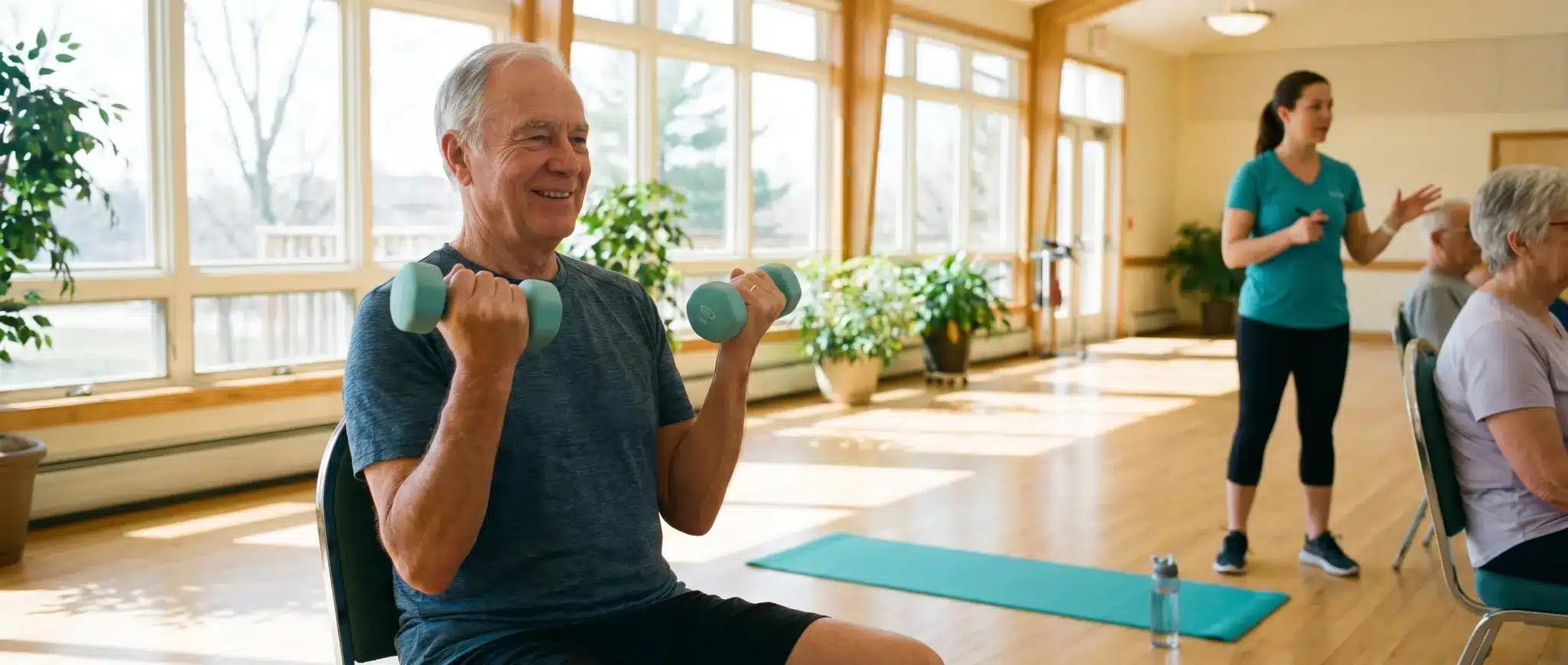
Since beginning EverFit sessions, everything began to change. Increased physical activity through structured programs like EverFit can significantly improve strength, balance, and overall health.
> “He’s getting stronger, his balance has improved, and he now walks outside without his sticks. He’s even started working in the garden again… and recently, he told me he’s thinking about starting bowls again.” > > Lydia Tweet
This is the deeper impact of preventative care: it brings back purpose.
From care to coaching: a career with more meaning
Lydia’s transformation wasn’t just about how she supported clients—it was also about how she saw herself.
> “Since becoming an EverFit Coach, that sense of purpose has grown even deeper. Now I feel like I’m not just helping people get through the day - I’m helping them change their lives.” > > Lydia Tweet
She describes feeling more connected to her work, more inspired, and more confident – because now she’s helping clients reach goals they once thought impossible. Whether it’s getting outdoors, moving without assistance, or simply feeling proud of their progress, these moments redefine what “care” can mean.
Building a culture of prevention for chronic diseases
Lydia’s shift didn’t just impact her clients – it’s changing how her colleagues and managers approach care, too.
> “People are now thinking in a much more preventative way. Instead of waiting for someone’s mobility or confidence to decline, they’re recognising the early signs and stepping in sooner to offer support.” > > Lydia Tweet
That cultural shift – from reacting to preventing – can create ripple effects throughout services and communities. Tracking progress for individual patients helps measure the effectiveness of preventive approaches and supports tailored interventions, ensuring that care is both proactive and patient-centered. When carers are empowered to take a proactive approach, the entire dynamic of ageing support changes.
A message to other carers
For carers who feel like something’s missing from their current role – or those who’ve wondered if they could ever make a bigger difference – Lydia has this to say:
_“If someone’s feeling unsure or lacking confidence, I’d want them to know that with EverFit, everything is completely tailored to you,”_ she reassures. _“We meet clients exactly where they’re at- no pressure, no expectations – and we build progress together.”_
And to carers considering the coaching path?
_“You are incredibly well supported by the EverFit and Abney & Baker team. The sense of purpose you get from helping people regain strength, confidence, and independence is unlike anything else. It makes the work feel bigger, more meaningful, and truly rewarding.”_
Looking ahead for older adults
Preventative care for older adults isn’t a “nice to have” – it’s essential. And carers are the secret ingredient that could redefine its delivery across the UK.
With the right tools, training, and support, carers can help clients stay stronger, safer, and more independent for longer. As Lydia’s journey proves, the transition from traditional care to proactive coaching is not only possible – it’s powerful.
Because the future of care is not just about support… it’s about strength. And it starts with carers who believe more is possible.
We’re always here if you want to chat about your care options
Speak to a real person about how care at home can help you or your loved one.