Understanding Preventative Home Care
How Abney & Baker’s proactive model goes beyond traditional care
When most people think about home care, they picture support that starts after something changes – a fall, an illness, a hospital stay, or a gradual decline in confidence or mobility.
That kind of care is essential, of course, but it’s often reactive – stepping in only once a problem has already happened.
At **Abney & Baker**, we believe care should start long before that point. We call it preventative home care – a proactive approach designed not only to support people when they need help, but to help them stay well, confident, and independent for longer.
Because good care isn’t just about getting by – it’s about _living well._
What Is preventative healthcare in home care?
Preventative care is exactly what it sounds like – care that prevents rather than reacts. It focuses on _protecting health, wellbeing, and independence before a crisis occurs._ This is a preventative approach that emphasizes early intervention, health promotion, and holistic support to reduce risks and promote long-term wellbeing.
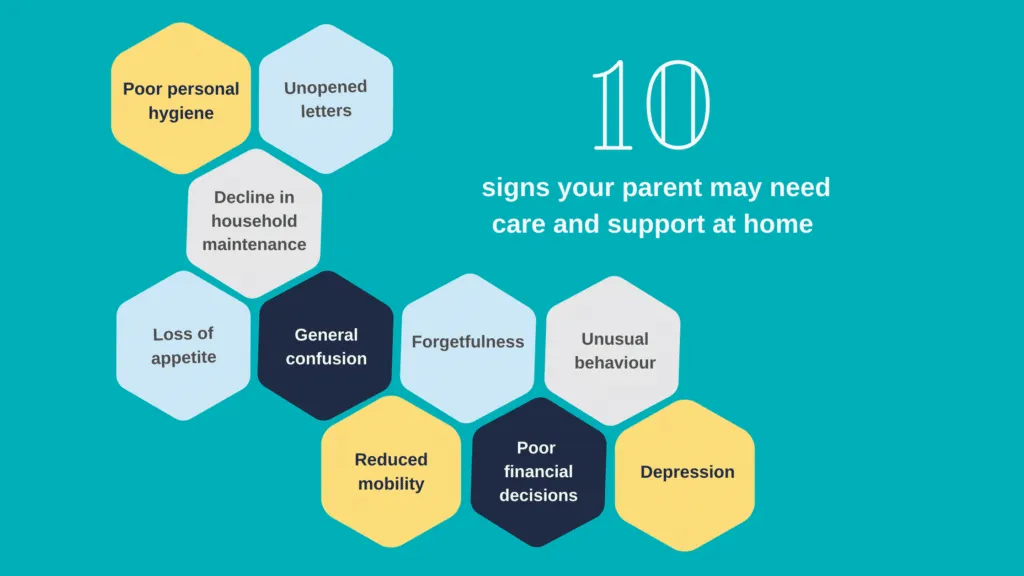
In home care, that means taking time to notice the subtle changes that often go unseen:
A client skipping meals because cooking feels tiring.
A hesitation when using the stairs.
Fewer social visits or outdoor walks.
Growing reliance on furniture for balance.
These small shifts might not seem urgent on their own, but together they can point to a decline in strength, balance, or confidence – the early stages of what can lead to falls, hospital admissions, or loss of independence.
Preventative home care intervenes early. Through regular wellbeing check-ins, gentle activity, and tailored support, effective care delivery relies on coordinated, proactive management to address emerging needs. A comprehensive care plan is developed to integrate clinical needs, personal preferences, and preventative strategies, serving as a central reference for all providers involved.
It’s not about doing more care; it’s about doing _smarter_, more compassionate care that helps maintain a person’s health and wellbeing.
The role of healthcare providers in Preventative home care
Healthcare providers play a vital role in delivering preventative home care that helps people live well for longer. By working closely with care professionals, therapists, and community partners, they create personalised, proactive care plans that place each person’s health, goals, and independence at the centre.
Through early risk assessments, medication reviews, and falls prevention programmes, providers can spot potential issues before they escalate. Collaboration with local services ensures seamless, coordinated support that promotes confidence and reduces hospital admissions.
Preventative care is about more than treating illness – it’s about promoting health, preventing decline, and helping people stay active and independent at home.
Abney & Baker’s approach: The Five Pillars of Living Well at Home
At Abney & Baker, we’ve built our preventative model around what we call the **Five Pillars of Living Well at Home** – a whole-person approach that recognises that health and happiness are interconnected. These pillars guide support planning and the development of effective support services, ensuring that care is holistic, person-centred, and tailored to individual needs. Ongoing service development ensures the model remains responsive to clients’ needs.
Physical Health
We focus on keeping people moving safely. Regular wound care and medication review are important aspects of maintaining physical health and preventing complications. Gentle, guided activity builds strength, improves balance, and prevents the decline that can lead to falls. Our partnership with **EverFit** provides structured, expert-led strength and balance coaching – empowering clients to stay confident and steady every day.
Cognitive and Mental Health Wellbeing
Keeping the mind active is as important as keeping the body moving. Cognitive wellbeing strategies are also adapted for individuals with learning disabilities or a learning disability, ensuring tailored support for all clients. Our carers engage clients through conversation, memory prompts, and small daily activities that encourage focus, curiosity, and connection.
Nutrition
A balanced diet supports everything from physical strength to mood. We help clients plan and prepare meals that suit their tastes and routines – or simply make sure there’s always something nourishing within reach.
Social Connection
Isolation can affect both mental and physical health. That’s why we prioritise companionship, meaningful interaction, and links to the community – ensuring clients stay engaged with the world around them. Maintaining strong connections to the local community is essential to prevent social isolation and promote overall wellbeing.
Home Safety
Preventative care means looking out for small risks before they become serious problems – like loose rugs, poor lighting, or cluttered walkways. We help create safe, comfortable spaces where clients can move with confidence.
Each of these pillars plays a vital role in maintaining independence. When combined, they form a powerful foundation for long-term wellbeing – the essence of preventative home care.
How preventative care differs from traditional care
Traditional care models often focus on _tasks_ – helping with washing, dressing, or meals, typically after a change in someone’s health or mobility.
Preventative home care shifts the focus to _wellbeing_ – identifying risks early, encouraging confidence, and supporting the person as a whole.
Here’s how they compare:
| Traditional Home Care | Preventative Home Care (Abney & Baker) | | --- | --- | | **Traditional Home Care** Reactive - steps in after a crisis or decline. | **Preventative Home Care (Abney & Baker)** Proactive - works to prevent issues before they arise. | | **Traditional Home Care** Focused on completing daily tasks. | **Preventative Home Care (Abney & Baker)** Focused on improving wellbeing and maintaining independence. | | **Traditional Home Care** Often short-term or episodic. | **Preventative Home Care (Abney & Baker)** Designed for sustainable, long-term support. | | **Traditional Home Care** Success measured by tasks done. | **Preventative Home Care (Abney & Baker)** Success measured by quality of life and confidence gained. | | **Traditional Home Care** Limited focus on prevention. | **Preventative Home Care (Abney & Baker)** Built around early intervention and empowerment. |
The difference might sound subtle – but in practice, it’s transformative.
For example, virtual wards are an innovative model of preventative care, enabling hospital-level monitoring and treatment at home through remote monitoring devices and digital tools.
By shifting focus from what’s _urgent today_ to what can be _strengthened for tomorrow_, preventative care helps people stay active, connected, and in control of their lives.
Abney & Baker’s Preventative Pathways
Our preventative model isn’t one-size-fits-all. Every client is different – so we’ve developed three distinct pathways designed to evolve with each person’s needs. Care providers and service providers work together to deliver seamless, person-centered support, ensuring that both care delivery and digital or equipment needs are met effectively.
FLEXICARE
Perfect for those who are mostly independent but want occasional help or reassurance. Flexicare provides support when it’s needed – without long-term commitment. It’s care that fits around life, not the other way around.
PREVENT
For clients who benefit from regular home care, Prevent goes beyond the basics – combining daily support with wellbeing-focused visits built around our **Five Pillars**. Clients and carers can also access online resources to support their wellbeing and care routines. It’s designed to spot risks early, reduce isolation, and promote confidence in daily routines.
PREVENT+ (Powered by EverFit)
PREVENT+ brings physical health to the forefront. Led by expert coach **Georgie Britt**, this proactive strength and balance programme helps older adults reduce fall risk, improve mobility, and rebuild confidence through safe, tailored movement – all delivered with the warmth and encouragement that defines Abney & Baker. By improving strength and balance, Prevent+ enhances a person’s ability to participate in daily activities and maintain independence.
Together, these three pathways form a complete, adaptable system of preventative home care – one that grows with each person and supports them to live well at every stage of ageing.
Why preventative care matters
Preventative care isn’t just about reducing risks – it’s about protecting freedom.
When people feel steady, strong, and supported, they’re more likely to stay active, engaged, and happy in their own homes. Preventative home care helps reduce hospital admissions, supports recovery, and improves overall wellbeing – but most importantly, it preserves dignity, confidence, and joy. By promoting physical activity and proactive support, preventative home care can enhance both quality of life and life expectancy.
At Abney & Baker, we’ve seen how small, proactive changes can transform lives. A client who starts with a little support for balance might soon be walking further, cooking again, or reconnecting with old friends.
That’s what prevention looks like in practice – not just avoiding decline, but _enabling life_ by understanding the whole person’s life, including their history and preferences, to deliver truly personalized care.
Our North Star
We don’t aim to be the biggest care company – we aim to be the most caring.
By living our values every day and focusing on prevention, we’re building a model of care that supports strength, confidence, and wellbeing for years to come.
Because care should never be about doing the minimum to get by – it should be about helping people live well, _before_ they need more help.
We’re always here if you want to chat about your care options
Speak to a real person about how care at home can help you or your loved one.