
Preventative Care: The 7 overlooked signs that someone may need more support (even if they’re not saying so)
It’s not always about what’s said, but what’s quietly changed.
It’s one of the biggest challenges in later-life care: many people won’t say when they need help. Some don’t want to be a burden. Others may not realise how much things have changed. And for family members checking in from time to time, the signs can be hard to spot, unless you know what to look for.
At Abney & Baker, we’ve found that certain **small, often-overlooked changes** can be early signals that someone may need a bit more support. They don’t always point to a crisis, but they can be gentle clues that someone’s strength, confidence, or energy isn’t quite what it used to be.
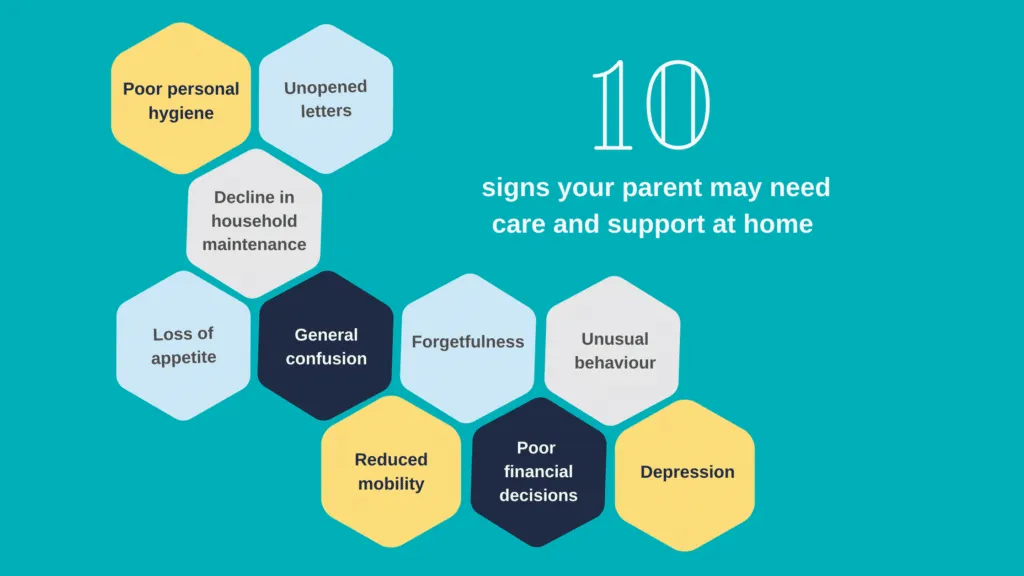
Here are seven signs to watch for:
1\. They’re avoiding certain parts of the home
If someone used to regularly go upstairs, tend the garden, or sit in the conservatory, but now spends most of their time in one room, ask why. It might be a sign they’re avoiding stairs, uneven ground, or feel unsteady on their feet.
2\. They’re eating differently or less often, missing health screenings
Skipping meals, avoiding cooking, or sticking to toast and biscuits could signal fatigue, low appetite, or a decline in motivation. It could also be a memory or planning issue. Nutritional changes are often one of the first indicators that someone isn’t coping as well as they were before.
3\. They’re hesitating when moving
You might notice someone using furniture to steady themselves, struggling to rise from a chair, or pausing before they turn. These subtle signs often precede more serious falls or injuries, and they’re often dismissed as “just getting older.”
4\. They’ve stopped seeing friends or going out
Changes in social routine are another red flag. Someone who’s no longer going to a regular lunch group or church service may be experiencing mobility worries, anxiety, or even early cognitive challenges.
5\. Their mood seems flat or more withdrawn
Many older adults mask emotional changes, especially if they don’t want to worry others. But a noticeable drop in energy, enthusiasm, or social engagement can indicate loneliness or low mood that’s worth exploring.
6\. They’re missing small things, which may hinder early detection
Forgetting a favourite TV programme, a recurring appointment, or a simple task like locking the door may seem minor, but it can signal the start of cognitive shifts that deserve gentle attention.
7\. They’ve had a ‘near miss’ but brushed it off
Falls that didn’t result in injury, stumbles that “just caught me off guard,” or a dropped plate that wasn’t like them – these near misses are often the moment to step in before something more serious happens.
Taking a proactive approach at this stage, including routine care such as regular screenings and health education, can help identify risks early and enable early treatment, preventing more serious health issues from developing.
The importance of health promotion
Health promotion is an essential aspect of preventative healthcare, empowering people to take charge of their own health before problems arise. By making small, positive changes – like adding more physical activity to your day, choosing healthy eating options, or taking steps toward stopping smoking – you can significantly lower your risk of developing chronic diseases.
Healthcare providers play a vital role in health promotion, offering guidance and support tailored to your needs. They can help you understand your risk factors and make informed choices that fit your lifestyle. Effective health promotion doesn’t just help prevent diseases; it also leads to better health outcomes, improved well-being, and can even reduce healthcare costs over time.
By focusing on prevention and adopting healthy habits, you’re not only protecting yourself from disease, but also investing in your long-term health and quality of life. Remember, prevention is always better than cure – taking proactive steps today can help you stay healthy and enjoy life to the fullest.
Maintaining good health
Maintaining good health is about more than just treating illness – it’s about prevention, early detection, and making healthy choices every day. Regular health screenings, check-ups, and vaccinations are key preventive health services that help catch potential problems early, when they’re most treatable.
Incorporating physical activity, a balanced diet, and stress management into your routine can greatly reduce your risk of chronic diseases and improve your overall health. Avoiding risky behaviors, such as smoking or excessive alcohol use, is another important step in disease prevention.
Healthcare providers are valuable partners in your journey to good health. They can offer personalized recommendations, support, and guidance to help you make the best choices for your well-being. By prioritizing preventive care and working closely with your healthcare team, you can lower healthcare costs, reduce your risk of disease, and enjoy a higher quality of life. Prevention is a shared responsibility- together, you and your healthcare providers can help you stay healthy and thrive.
What to do next: steps for preventative care
These signs don’t mean someone is no longer capable, far from it. In fact, recognising them early gives us the chance to offer **light-touch, empowering support** that keeps someone well, mobile, and in control.
Sometimes, that’s all it takes:
A home safety check
A few simple balance exercises
A little social encouragement
A caring conversation that says, “I’ve noticed something, and I care.”
The earlier we act, the better we can help someone **stay strong, connected, and confident** — on their own terms.
We’re always here if you want to chat about your care options
Speak to a real person about how care at home can help you or your loved one.