Helping older adults feel confident, not just supported
Most people associate care with getting help, help with meals, help with washing, help with moving around. And yes, support with daily tasks can be life-changing. But what if we aimed for more than that?
What if care wasn’t just about helping people get by but about helping them get stronger and supporting them in ageing well?
At Abney & Baker, we’ve been thinking a lot about how care can do more than maintain the status quo. Because the truth is, many older adults don’t just want to feel safe, they want to feel capable, confident, and in control of their lives. The ageing process is a gradual change affecting multiple body systems, but it can be influenced by early intervention, proactive care, and positive lifestyle choices that help maintain capacity and independence.
The quiet cost of “just managing”
It’s easy to miss. A parent who accepts a helping hand to get out of a chair. Someone who’s given up on using the stairs because “it’s just easier this way.” A daily routine that shrinks down to one room, one chair, one set of safe steps.
And while these shifts may seem small, they add up. Over time, the less someone moves, the less they **can** move. Strength declines. Balance wobbles. Confidence fades. The result? Greater risk of falls, hospitalisation, and, most of all, a loss of independence that might have been preventable. Falls prevention is a key strategy to help maintain independence and reduce these risks, supporting safer and healthier aging.
Strength is more than muscle
When we talk about clients “ageing stronger,” we don’t just mean lifting weights or going to the gym. We mean:
Feeling confident standing up from a chair without help
Being steady enough to walk to the kitchen unaided
Trusting your body again after a scare or a stumble
Rebuilding belief in your own abilities
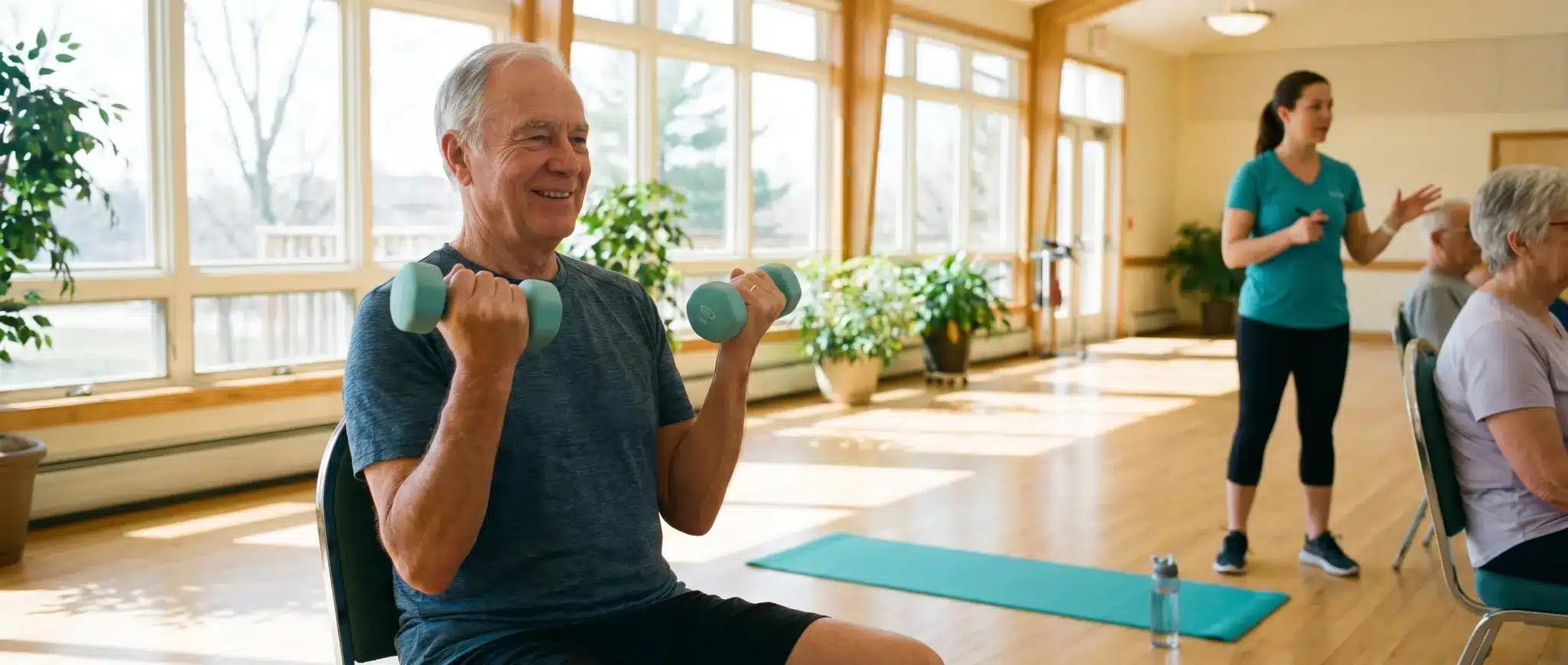
Regular physical activity plays a key role in helping older adults regain movement, balance, and confidence.
Strength isn’t about performance. It’s about **freedom**.
What this kind of care and support looks like
We believe care and support can include:
Simple, safe exercises that help someone regain movement and balance
Friendly wellbeing check-ins that ask about more than just tasks
Encouragement and reassurance after a fall or setback
Spotting small changes and offering support _before_ confidence disappears
Care staff play a vital role in delivering these interventions and providing encouragement to older adults. Personalised care ensures that support is tailored to each individual’s needs and preferences, making interventions more effective. These approaches provide supports that help older adults regain confidence and independence, and are designed to support people in living more fully and confidently.
This isn’t about pushing people to do more. It’s about helping them realise they can, and creating the conditions for that to happen.
Improving access to care
Improving access to care is about more than just providing services, it’s about ensuring every older person has the opportunity to enjoy good mental and physical health, no matter their background or circumstances. The World Health Organization highlights that older adults in most developed countries face unique challenges, from increased risk of poor health and physical illness to mental health concerns that can be made worse by social isolation and limited access to support.
Local communities and authorities have a significant role to play in tackling health inequalities and supporting people to age well. By focusing on health promotion and prevention, we can address common risk factors like physical inactivity, unhealthy eating, and social isolation—factors that contribute to conditions such as heart disease and falls. Community-based initiatives, such as group exercise classes, healthy eating workshops, and social activities, not only help older adults stay active but also strengthen social connections and support networks, which are vital for both physical and mental wellbeing.
Mental health is just as important as physical health in later life. Organisations like Age UK and NHS England stress the need to provide access to talking therapies, social support, and activities that boost brain health and reduce isolation. Preventive healthcare, including regular screenings and health checks, helps enable people to stay healthy and independent for longer, catching issues like heart disease before they become serious.
Recent events have shown how crucial it is to challenge ageism and promote positive attitudes towards ageing. By celebrating ageing and encouraging intergenerational connections, we can create communities that value older people and support them to live healthier, happier lives. Improving access to care isn’t just about services, it’s about building a future where everyone can age well, with dignity, confidence, and the support they need to thrive.
Care as empowerment
When care helps someone get stronger physically, emotionally, and socially, it stops being something that’s _done to_ them and becomes something they’re actively part of. That’s where the real transformation happens.
So we’re asking:
**How can care help someone live more fully, not just more safely?**
Because getting stronger isn’t just possible at any age, it might be the most important goal of all.
We’re always here if you want to chat about your care options
Speak to a real person about how care at home can help you or your loved one.