Preventative Care:
Re-thinking how we support older adults to stay independent, confident, and living well.
"She was fine until the fall."
"We didn't realise how much Dad was struggling until the hospital called."
If you've worked in care or supported a loved one, you've probably heard, or said, something like this. So often, meaningful support begins only after something has already gone wrong.
It's an understandable pattern. Many people want to stay independent for as long as possible, and families often don't want to "step in too soon." But when we only offer support after a fall, a scare, or a sudden decline, we miss the chance to keep someone thriving for longer.
Prioritising preventative healthcare as a proactive approach helps avoid poor health and ill health by focusing on early intervention and lifestyle changes. Primary prevention refers to actions taken before the onset of disease, such as health education, lifestyle modifications, and immunisations, to reduce the incidence of illness. When preventative healthcare is emphasised, it not only benefits individuals but also has a significant positive impact on public health and population health by reducing avoidable illness and improving overall community well-being. The physical environment, including safe workplaces and healthy communities, plays a crucial role in supporting preventative care and effective public health strategies.
From crisis care to preventive healthcare and confidence care.
At Abney & Baker, we're exploring how care can shift from being
reactive
to
preventative,
not just about picking someone up after they fall, but about helping them feel strong enough that they don't fall in the first place. Healthcare professionals play a crucial role in health promotion and preventative health, working to empower individuals to make informed lifestyle choices and mitigate health risks.
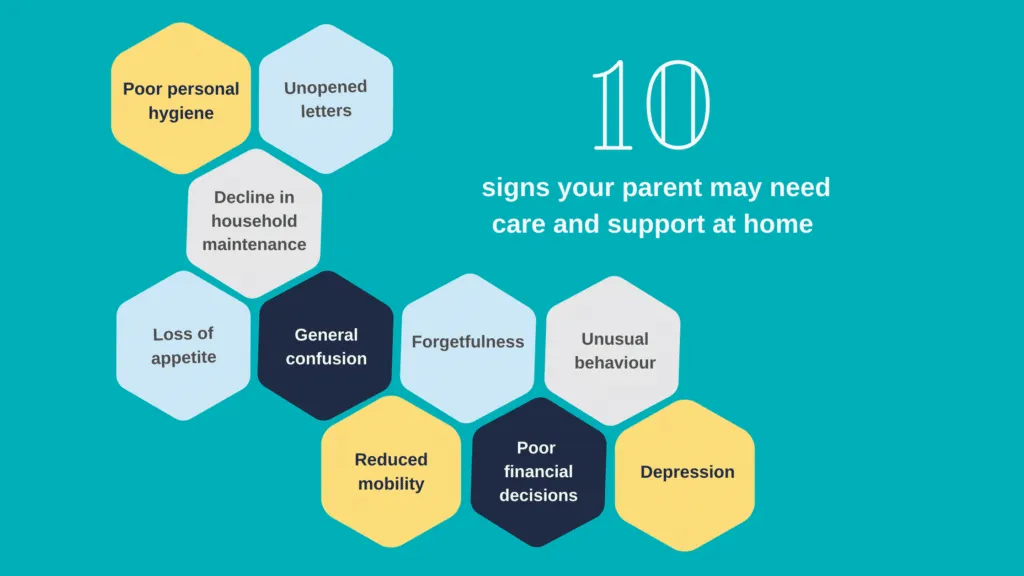
Imagine if part of a care worker's role was gently checking how confident someone feels getting up from a chair… or asking how steady they feel on the stairs. Imagine if regular conversations also included topics such as appetite, mood, or whether someone has been seeing friends lately.
Sometimes it's:
Checking the fridge for fresh food
Noticing if someone's slippers are worn out
Supporting positive lifestyle choices as part of preventative health
These aren't extras. They're essential pieces of the wellbeing puzzle. But they're often hidden until they've become harder to address.
Small actions, significant health benefits, big difference
Proactive care doesn't necessarily require big changes. Sometimes it's:
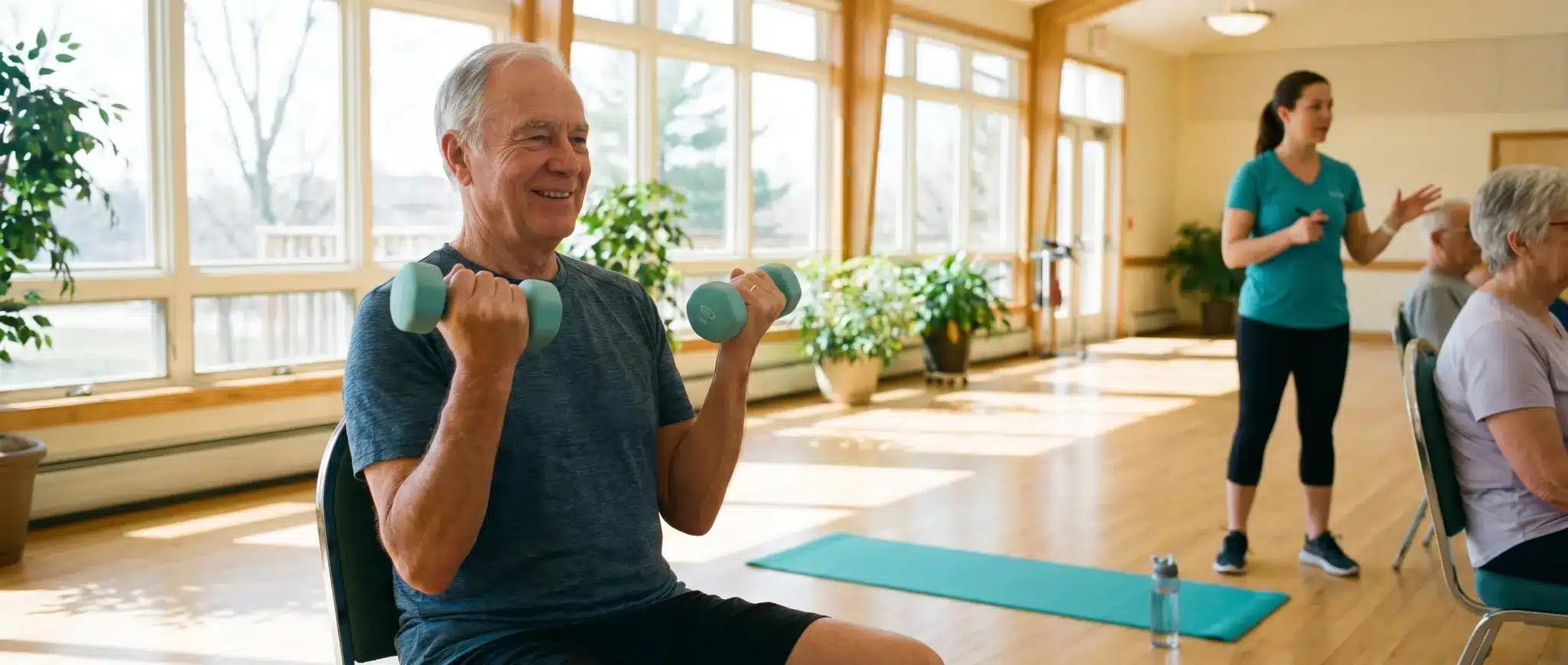
A simple strength-building routine that helps someone feel steadier
Spotting a trip hazard in the hallway before it causes a fall
Helping someone feel heard when they say, "I'm just tired all the time"
Noticing that someone hasn't talked about their usual Thursday lunch with friends
These are subtle signs, but they're also windows of opportunity. And when we catch them early, we can offer low-pressure support that helps maintain independence, rather than replace it.
Secondary prevention through regular screening tests play a crucial role in identifying health issues at a manageable stage. This allows for early treatment, which can prevent more serious health problems and reduce long-term healthcare costs. By prioritising early detection and timely intervention, individuals can experience significant health benefits, including improved outcomes and enhanced overall wellness. Tertiary prevention becomes important after a diagnosis, focusing on managing chronic conditions to slow disease progression, prevent complications, and support quality of life.
Small actions, significant health benefits, big difference
Taking a proactive approach to health includes understanding your family's medical history. By sharing the health backgrounds of close and extended relatives, you and your healthcare provider can identify risks for conditions like heart disease, cancer, and other chronic illnesses before they develop. This early insight allows for more effective prevention through timely screenings, lifestyle adjustments, and targeted care—reducing the chance of serious illness and unnecessary treatments later on.
Knowing your family health history also ensures that the preventative steps you take are tailored and impactful. For example, if skin cancer runs in your family, regular skin checks can be built into your care plan. These personalised measures are often more cost-effective and help you stay ahead of potential health challenges. Ultimately, this approach empowers you to make informed decisions, protect your wellbeing, and stay independent and confident as you age.
Healthy Lifestyle Choices
Making healthy lifestyle choices is one of the most effective ways to maintain good health and prevent chronic diseases as we age. Simple habits – like enjoying a balanced diet filled with fruits, vegetables, and whole grains – can help protect against certain diseases. Regular physical activity, whether it's a daily walk, gardening, or gentle stretching, supports weight management, boosts mood, and keeps chronic conditions at bay.
Prioritising healthy lifestyle choices also means getting enough restful sleep and finding ways to manage stress, both of which are essential for overall well-being. These habits can decrease the risk of developing chronic diseases and help you stay active and independent for longer. By making small, positive changes—like choosing a balanced diet or adding a bit more movement to your day – you're investing in your long-term health and confidence.
Community-Based Initiatives
Community-based initiatives play a vital role in making preventative healthcare accessible to all. Through local campaigns, outreach, and education, they raise awareness of early screenings and healthy lifestyle habits. By offering practical support—like access to nutritious food, group exercise, and stress management—these programs help reduce health inequalities, lower long-term healthcare costs, and empower communities to live well together.
Technology in Preventative Care
Technology is reshaping preventative care by making it more accessible, personalised, and efficient. Tools like electronic health records, telemedicine, and wearable devices help healthcare providers spot risks early and empower individuals to track their own health. From virtual consultations to remote monitoring, these innovations improve early detection, enhance care quality, and reduce long-term healthcare costs.
Access to Preventative Care
Access to preventative care is essential for reducing chronic disease and supporting long-term health, but barriers like cost, limited services, and lack of insurance can prevent many from getting the support they need. Expanding coverage, using telemedicine, and supporting local initiatives can help close these gaps. When preventative care is accessible to all, it leads to better health outcomes, lower costs, and greater independence across communities.
A new standard of preventative health care services
We understand that people value having control over their own lives. However, we also know that ageing can bring subtle shifts in strength, memory, energy, and confidence that aren't always obvious, even to the person experiencing them.
So maybe the question we should ask isn't "how do we respond when something goes wrong?" Preventative medicine and prevention healthcare focus on identifying and addressing health issues early, aiming to prevent the development of serious diseases and promote long-term wellbeing. Comprehensive preventative care can also improve life expectancy by addressing health issues at an early stage and supporting ongoing wellness throughout life.
But rather:
"How can we gently support people before something does?"
At Abney & Baker, that's the kind of care we're working toward, not just a helping hand in tough moments, but a quiet presence that helps keep life full, confident, and well-lived for longer.
To find out more, follow us on social media pages.
We’re always here if you want to chat about your care options
Speak to a real person about how care at home can help you or your loved one.